Skin Tapping Input 

By on

Skin Input Interface

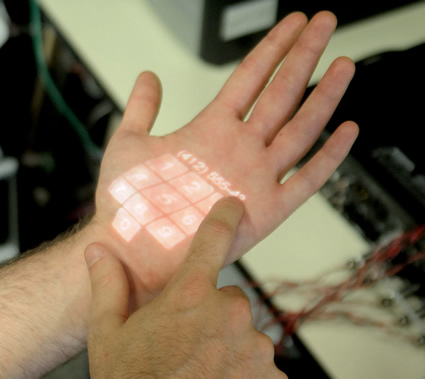
Tapping your forearm or hand with a finger could soon be the way you interact with gadgets. A new technology created by Microsoft and Carnegie Mellon University uses 'body acoustics' to turn skin into an interactive input device.

The continual shrinking of Gadgets is limited by the size of human fingers and the need to interact with the gadgets. An input system such as this one (with some refinement on the size of the armband) may be able to overcome these limitations.

The video explains how it all works.

There is a lot more information on the system developers website at:


Steven McFadyen's avatar Steven McFadyen

Steven has over twenty five years experience working on some of the largest construction projects. He has a deep technical understanding of electrical engineering and is keen to share this knowledge. About the author

myElectrical Engineering

comments powered by Disqus


Voltage Levels – Confused?

I was having a conversation the other day about voltage levels.  While everyone was in agreement that low voltage was 1000 V and less, there was more confusion...

Electromechanical Relays

Electromechanical relays have been the traditional backbone of electrical protection systems.  While over recent years these have been replaced by microprocessor...

Occam's Razor

I was reminded of Occam's Razor while reading a book. It's quite a simple principal of logic which has stood the test of time and is accepted as central...

Mobile Phones (Brick to Implant)

The mobile phone was born in 1973. They were the size of a brick and weighed a couple of kg, making them difficult to fit into your pocket. At a few thousand...

UPS - Uninterruptible Power Supply

A UPS is an uninterruptible power supply.  It is a device which maintains a continuous supply of electrical power, even in the event of failure of the...

Multimeter

Multimeters are undoubtedly the most common item of electrical test equipment in use.  Often it is the first piece of equipment people will turn to when...

Paternoster Lifts

These lifts were first built in 1884 by J. E. Hall and called a paternoster ("Our Father", the first two words of the Lord's Prayer in Latin) due to its...

Induction Motor Calculator

Just added a page to the tools, which will allow you to calculate the synchronous speed, slip and rated torque for an induction motor. Not a particularly...

Equipment Verification (to IEC Standards)

One of the requirements to ensuring that everything works is to have equipment selected, manufactured and verified [tested] to IEC standards. Not all equipment...

Understanding Circuit Breaker Markings

IEC 60947 is the circuit breaker standard and covers the marking of breakers in detail. Any manufacturer following this standard should comply with the...

Have some knowledge to share

If you have some expert knowledge or experience, why not consider sharing this with our community.  

By writing an electrical note, you will be educating our users and at the same time promoting your expertise within the engineering community.

To get started and understand our policy, you can read our How to Write an Electrical Note